Intent
At Gwladys Street Primary we aim to deliver a high-quality Computing curriculum which should engage, inspire and challenge pupils, equipping them with the knowledge and skills to experiment, invent and create their own digital content and stay safe when using technology.
We will aim to do this by:
- Nurturing and developing creativity and imagination within the subject, and fostering an interest that will stay with them for the rest of their lives.
- Encouraging children to take risks and experiment, and then reflect on why some ideas and techniques are successful or not.
- Giving all children opportunities to think critically and develop a more rigorous understanding of Computing.
- Building on prior knowledge – this is a key part of our curriculum, allowing children to become fluent in understanding the impact Computing has on daily life and the wider world..
Implementation
Computing subject-specific characteristics, which we expect children to demonstrate, have been developed and shared with all stakeholders. These characteristics underpin all work in computing, form a focal point for display areas, and provide a common subject-specific vocabulary for staff and pupils.
These characteristics are:
- Competence in coding for a variety of practical and creative purposes, including applying ideas across other subjects.
- The ability to connect with others safely and respectfully, understanding the importance of acting within the law and demonstrating moral and ethical integrity, alongside an awareness of the interconnected nature of devices.
- The ability to communicate ideas effectively using a range of applications and devices across the curriculum.
- The ability to collect, organise, and manipulate data effectively.
Impact
In Computing, we aim to ensure that all children leave with enthusiasm and enjoyment for the subject, alongside an eagerness to continue developing their computing skills.
We use both formative and summative assessment in every computing lesson. Staff use this information to inform their short-term planning, enabling us to provide the best possible support for all pupils, including those who are more able. Assessment milestones for each phase have been carefully mapped and further broken down for each year group, ensuring that computing skills are progressive and build year on year.
Assessment information is collected regularly and analysed as part of our monitoring cycle. This process provides an accurate and comprehensive understanding of the quality of education in computing. A detailed monitoring cycle is established at the beginning of each academic year, identifying when monitoring activities will take place.
All of this information is gathered and reviewed, and is used to inform further curriculum development. Provision is then adapted accordingly to ensure continued improvement.
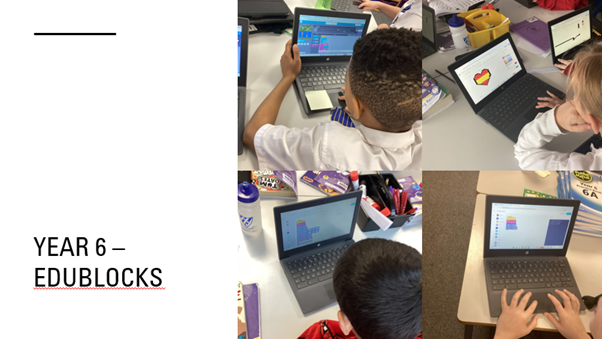
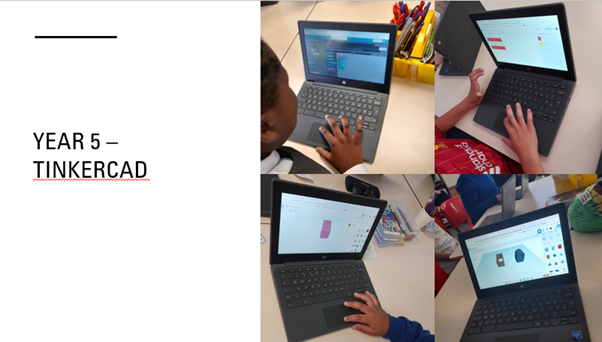
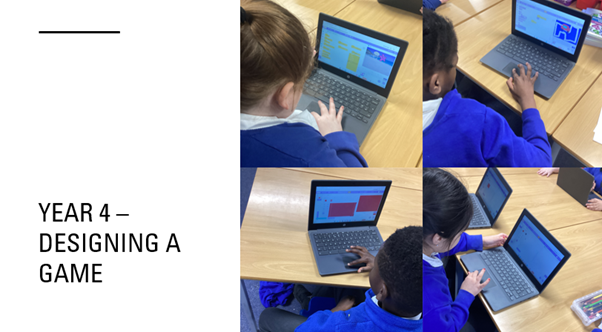
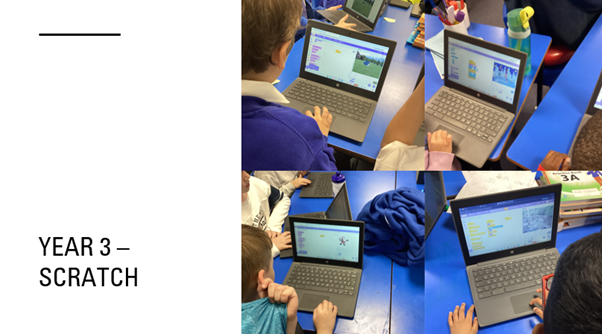
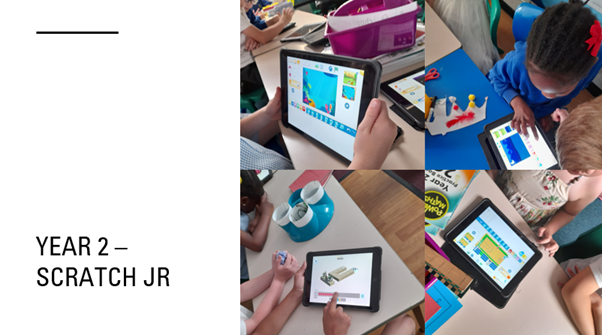
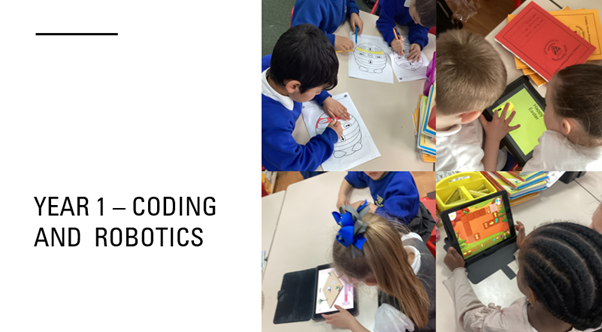
Check out our fantastic learning below;
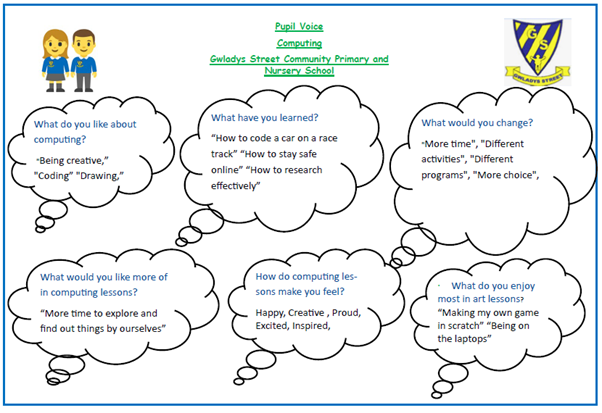
What do our pupils think about computing?